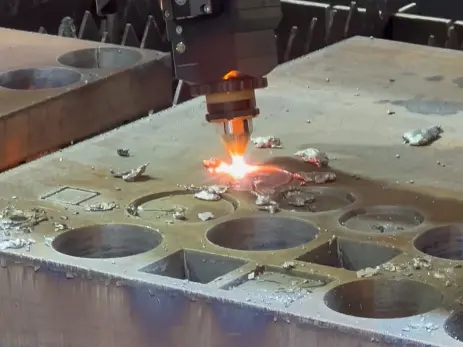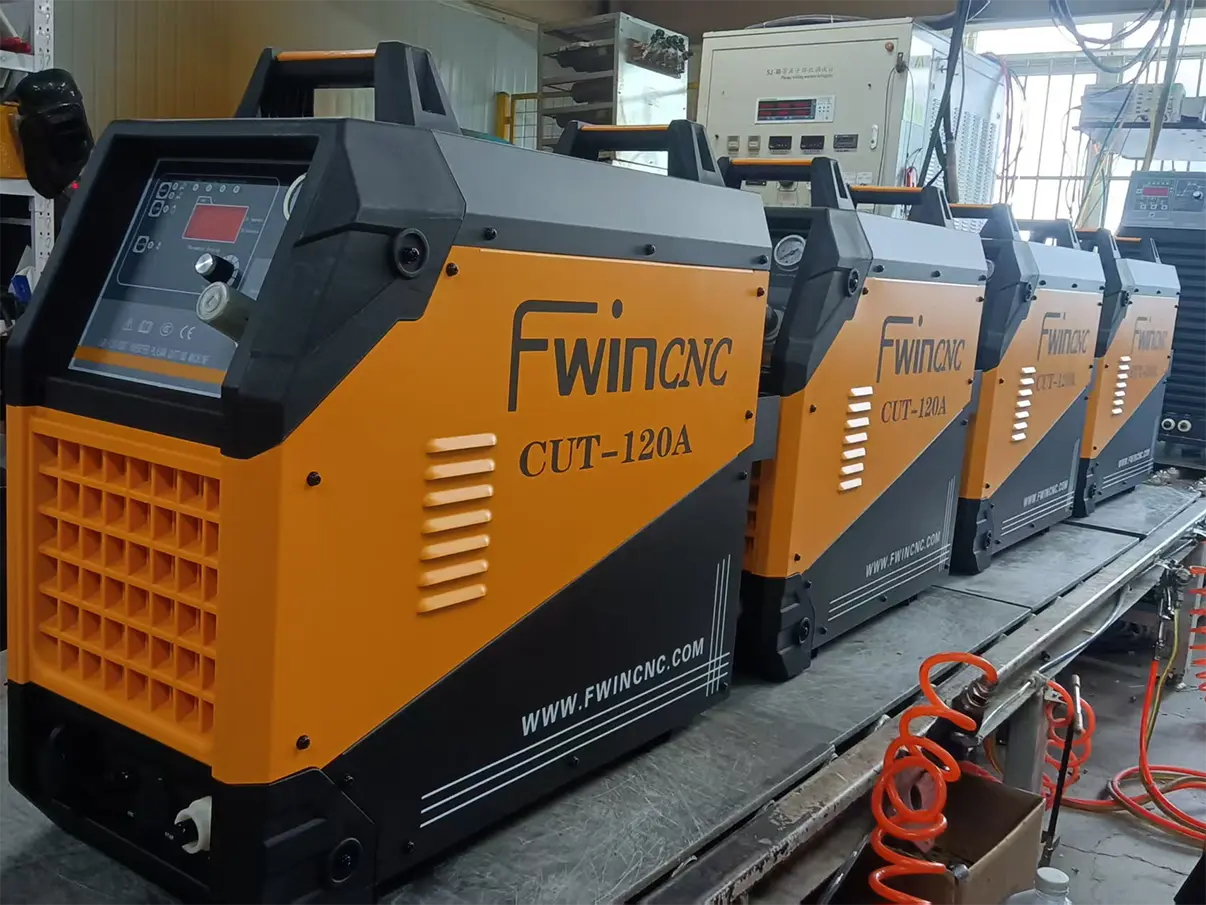
In heavy structural steel fabrication, pressure vessel manufacturing, and industrial pipeline construction, welding engineers and shop foremen frequently ask: what can a plasma pipe beveling machine do to eliminate manual joint grinding and speed up production? Traditional pipe profiling methods using mechanical flame torches or manual angle grinders require extensive labor, produce inconsistent bevel angles, and create excessive fit-up delays prior to root-pass welding.
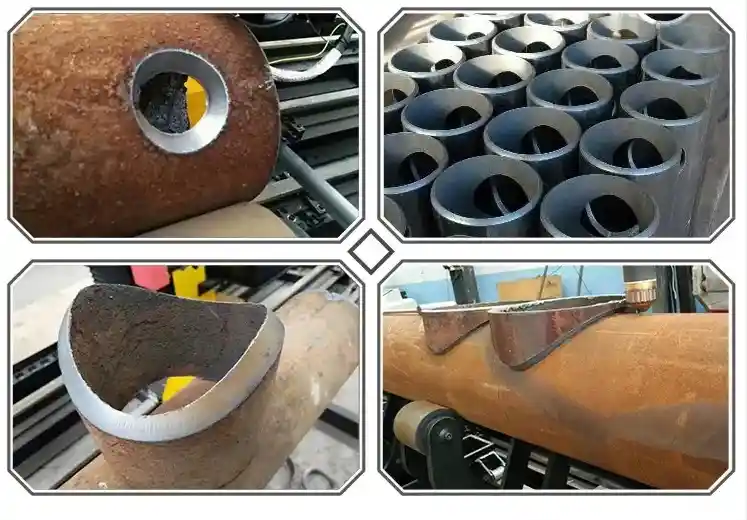
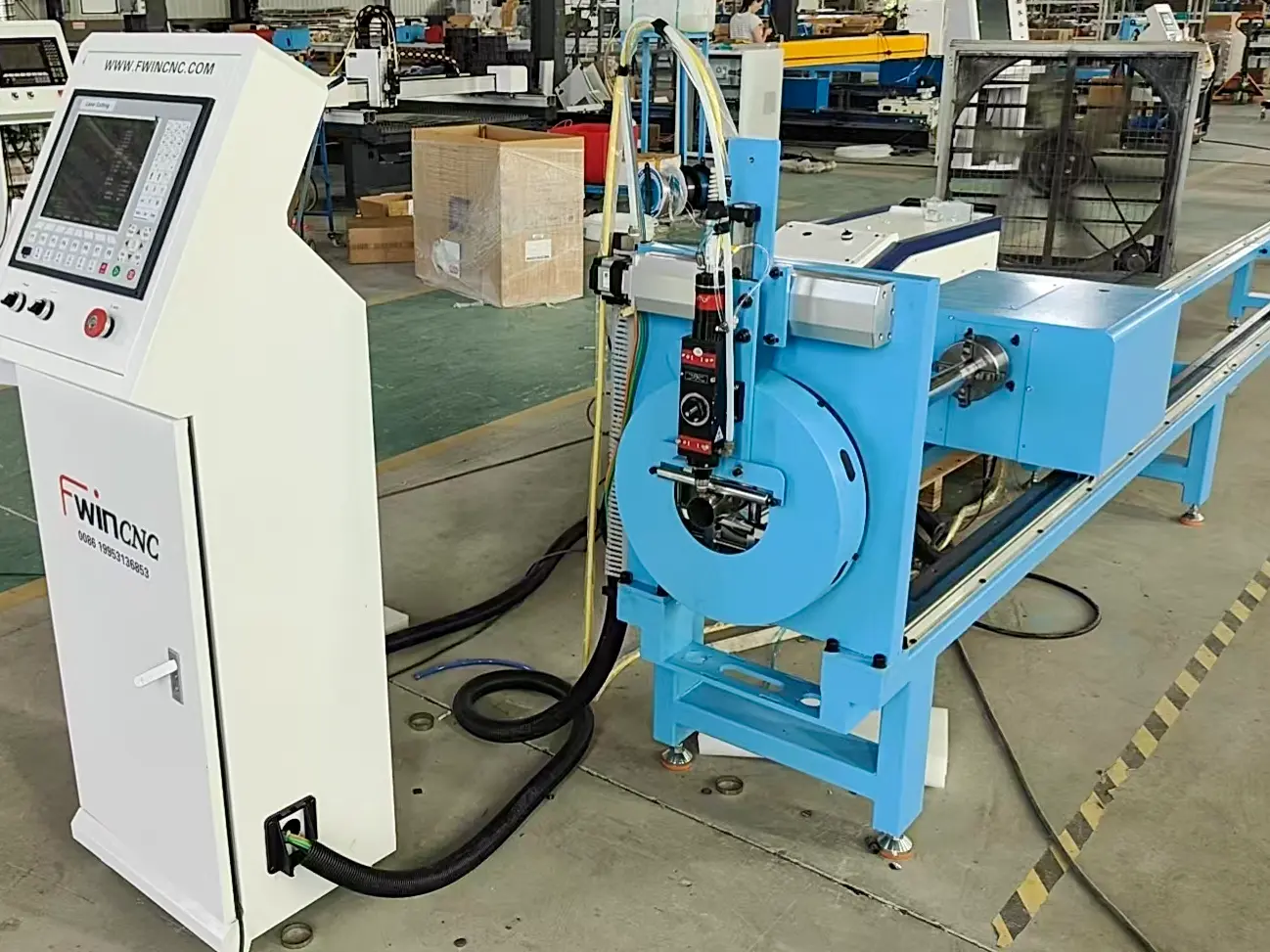
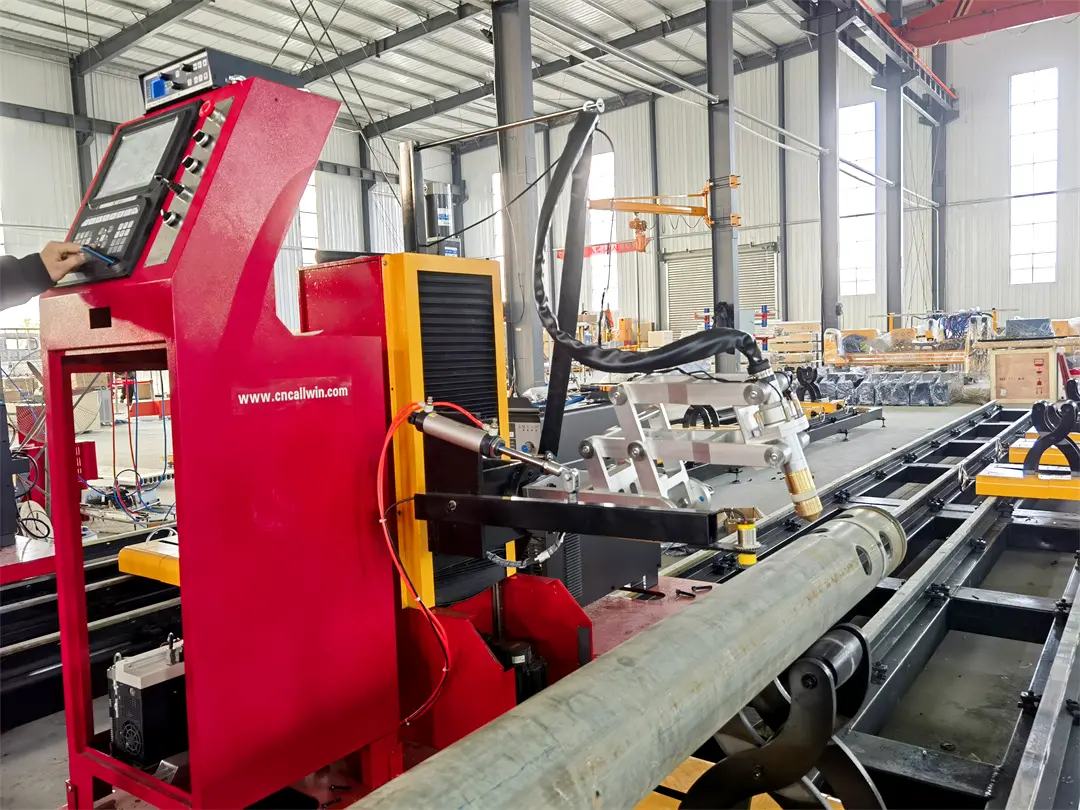
By integrating multi-axis CNC rotation with a heavy-duty plasma torch, a Plasma Pipe Beveling Machine executes precision profiling, straight cutoff, hole punching, and accurate angle beveling across carbon steel, stainless steel, and alloy pipes on a single automated platform. At Jinan Allwin CNC Machinery Co., Ltd. (Fwincnc), our pipe beveling machinery is designed to deliver clean, repeatable bevel profiles that conform strictly to international welding preparation standards.
1. Kinematic Multi-Axis Motion and Bevel Capabilities
To understand what a plasma pipe beveling machine can do, you must examine its multi-axis CNC torch head architecture. Unlike standard 2D pipe cutters that make only 90-degree straight cuts, a beveling torch tilting mechanism adds rotational and tilting axes (often referred to as A and B axes).
Versatile Joint Profiles for Automated Welding
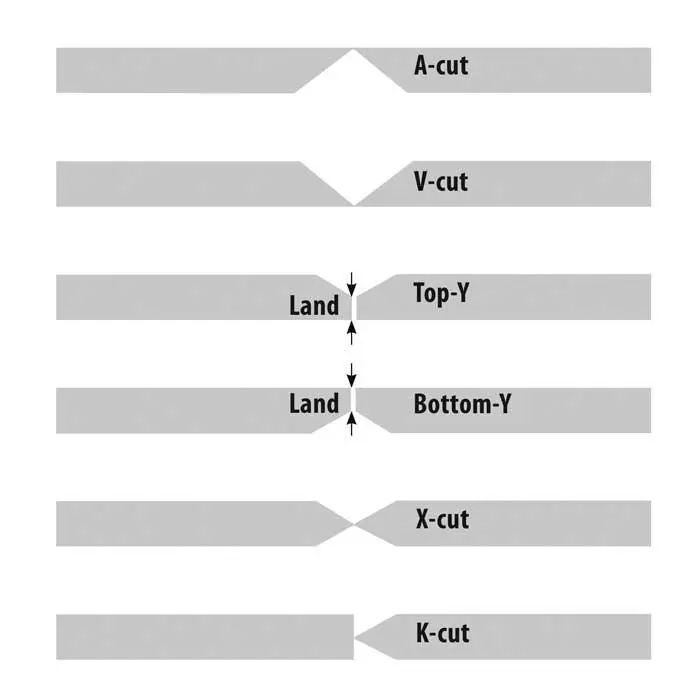
The tilting plasma torch automatically adjusts its angle relative to the pipe surface in real time. This capability allows the system to process industry-standard weld prep profiles:
-
V-Bevel and Single-V Joints: Standard inclined edge angles (typically from 0 degrees up to 45 degrees) for single-sided full penetration welds.
-
Y-Bevel and Land/Root Faces: Combines a vertical land root face with an angled bevel, ensuring precise fit-up gap control for automated orbital welding.
-
K-Bevel and Double-V Joints: Dual-angle preparation applied to thick-walled industrial piping requiring balanced weld metal deposition from both inside and outside diameters.
-
Saddle and Intersecting Branch Connections: Complex 3D contour cuts where one pipe joins another at a specific branch angle, complete with variable bevel transitions along the intersection curve.
2. Technical Capabilities and Processing Ranges
| Technical Parameter | Standard Specification | Fabrication Production Advantage |
| Compatible Pipe Profiles | Round metal pipes, cylindrical tubes, pressure vessel shells | Single-pass cutting and joint edge preparation |
| Bevel Angle Range | 0 degrees to +/- 45 degrees (Continuous adjustment) | Replaces manual edge grinding before automated welding |
| Pipe Diameter Capacity | 50 mm to 600 mm (Custom options up to 1200 mm) | Handles thin utility tubing and heavy industrial piping |
| Material Thickness Range | 2 mm to 30 mm plus (Power supply dependent) | Fast penetration speeds on structural steel grades |
| Positioning Accuracy | +/- 0.2 mm | Ensures tight root gaps to minimize weld metal usage |
3. Operational Sequence: Setting Up an Automated Beveling Job
To achieve continuous, high-volume production on a Plasma Pipe Beveling Machine, operators execute the following workflow on the CNC console:
4. Key Advantages for Modern Fabrication Shops
Investing in a dedicated Plasma Pipe Beveling Machine provides immediate operational benefits:
-
Elimination of Secondary Grinding: The high-velocity plasma stream creates clean bevel faces with minimal slag, allowing fit-up teams to tackle welding immediately without pre-cleaning.
-
Significant Material and Labor Savings: Combining cutting, hole-punching, and beveling into a single CNC operation reduces material handling time by up to 70 percent compared to traditional multi-step methods.
-
Consistent Weld Quality: Automated bevel angles eliminate human error, ensuring uniform root gaps and reducing weld defect rates during ultrasonic or radiographic testing.
By equipping your facility with Fwincnc pipe beveling systems, fabricators achieve fast turnaround times, lower cost-per-joint metrics, and superior fit-up precision on every piping project.