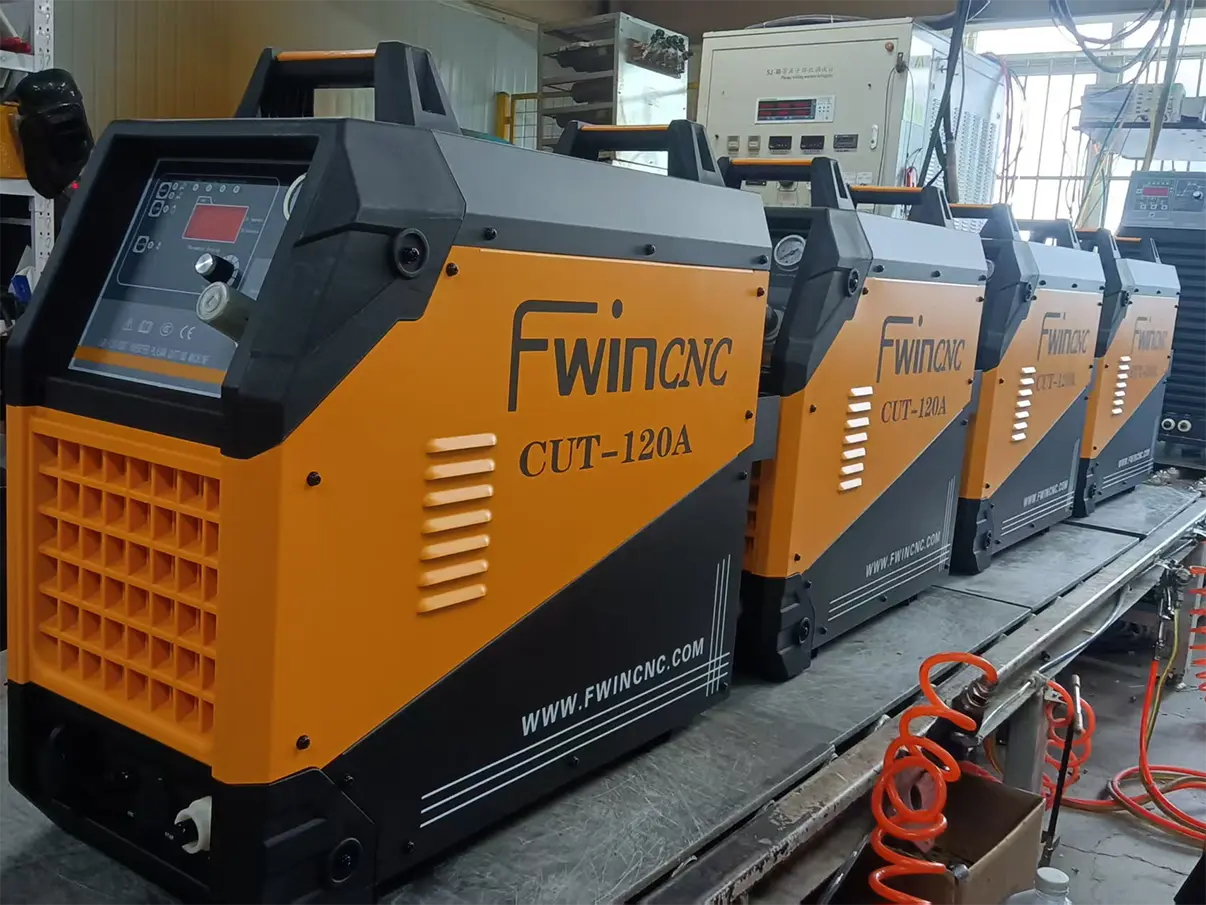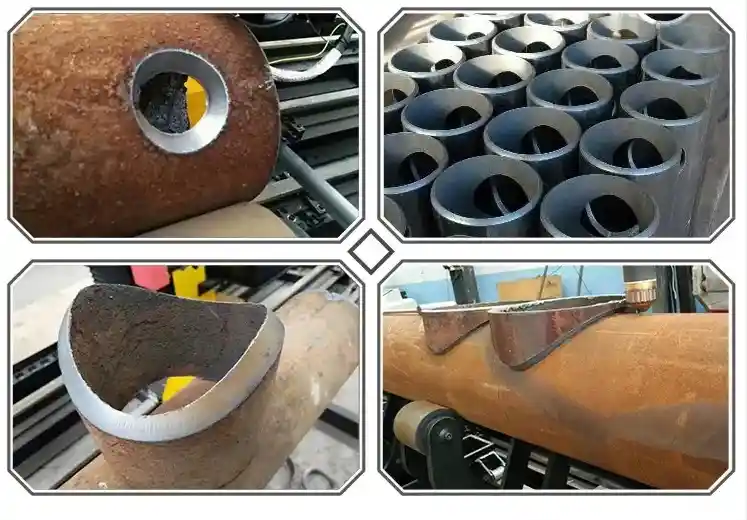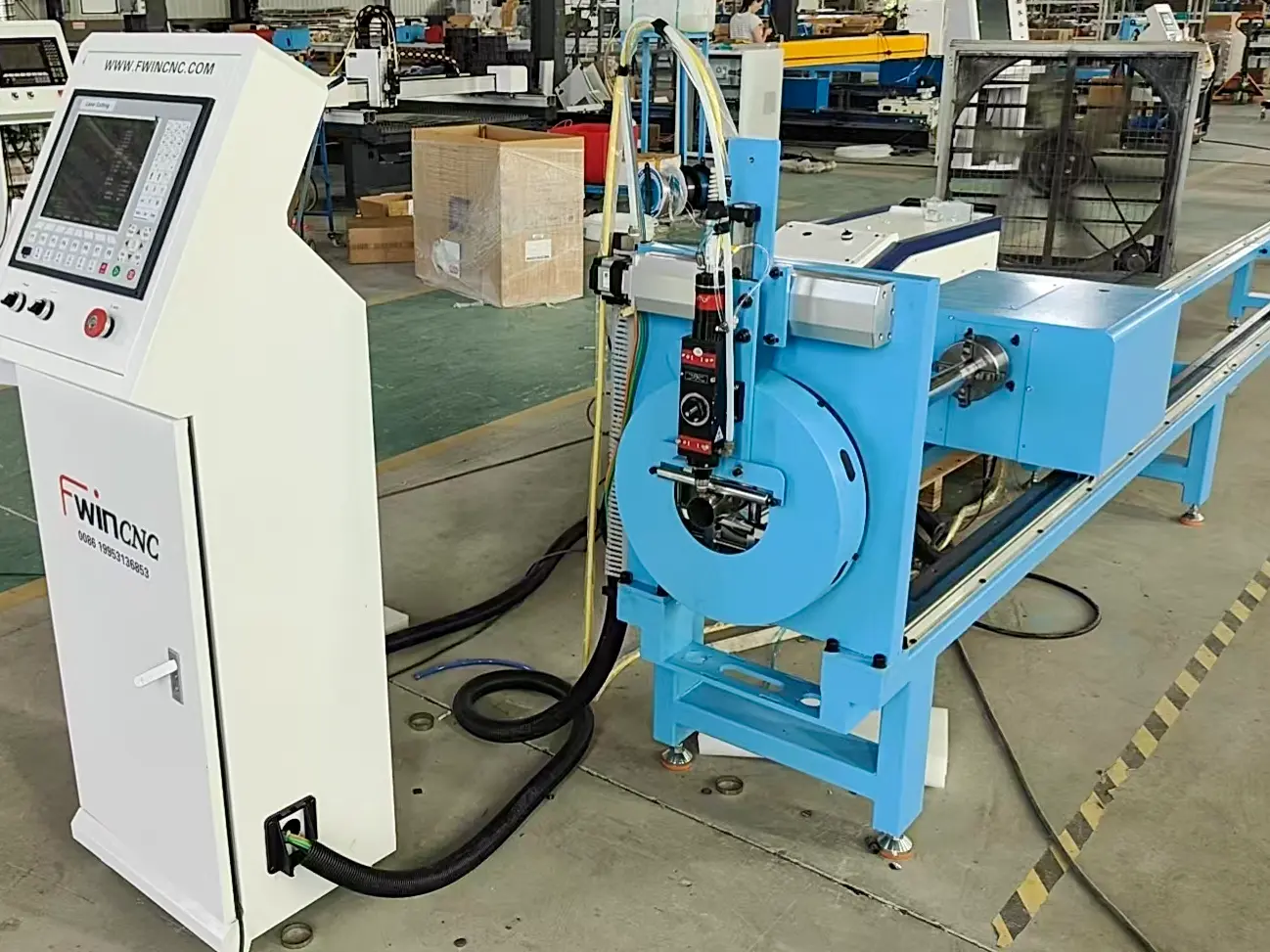
When outfitting a metal fabrication workshop or upgrading an existing cutting table, metalworkers and plant engineers frequently ask: how to choose a plasma cutting power supply that seamlessly bridges the gap between automated CNC production and quick manual torch cutting? Selecting an improper inverter source leads to arc instability, excessive dross, or immediate thermal overload when switching between mechanized gantries and hand-held repairs. At Jinan Allwin CNC Machinery Co., Ltd. (Fwincnc), our dual-purpose power supplies feature advanced high-frequency IGBT inverter control systems designed to supply stable arc current across both CNC table integration and manual cutting tasks.
1. Core Factors: Amperage, Piercing, and Cut Capacity
Understanding how to choose a plasma cutting power supply requires evaluating the technical differences between maximum severance limits and continuous production piercing capacity:
-
Quality Production Thickness: The thickness range where the power supply maintains a 100 percent duty cycle, delivering clean, 90-degree edges with zero bottom dross.
-
Maximum Piercing Limit: The maximum plate thickness the power unit can puncture under automated CNC Torch Height Control (THC) without back-spatter damaging the torch shield.
-
Hand-Held Severance Capacity: The physical limit when guiding a torch manually along an edge, typically operating at reduced travel speeds.
Matching your target metal thickness to the correct current rating prevents motor strain on your CNC gantry while keeping energy consumption low.
2. Technical Amperage and Voltage Selection Matrix
| Output Current Rating | Production Piercing Capacity | Maximum Severance | CNC Signal Interface | Primary Application Focus |
| 63 Amps to 80 Amps | 1 mm to 12 mm | 20 mm | Arc OK, Divided Voltage (50:1) | Light sheet metal fabrication, ductwork, and manual maintenance |
| 100 Amps to 120 Amps | 2 mm to 16 mm | 30 mm | Arc OK, Divided Voltage, Start/Stop | General structural steel, job-shop nesting, and medium plate cutting |
| 160 Amps to 200 Amps | 3 mm to 25 mm | 45 mm | Full CNC Automation Interface | Heavy industrial machinery, gantry plasma tables, and thick plate processing |
| 300 Amps plus | 6 mm to 35 mm plus | 60 mm plus | High-Definition Multi-Gas Control | Continuous high-definition production lines and shipbuilding operations |
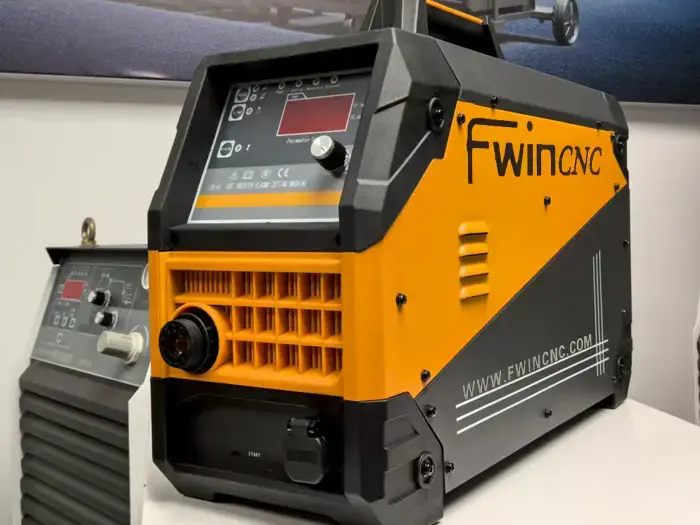
3. CNC Integration vs. Manual Cutting Modes
A primary requirement when asking how to choose a plasma cutting power supply for dual applications is verifying the signal interface architecture. An industrial power source must switch effortlessly between manual hand-torch operation and automated CNC signal communication:
CNC Controller Signal Communications
For automated gantry integration, the power supply must include a dedicated CNC interface port. This port feeds essential real-time feedback signals to the motion controller, including Arc Transfer (Arc OK) to initiate gantry travel only after the arc penetrates the plate, and a Divided Arc Voltage Signal (typically 50:1 or 20:1) to drive the automated Torch Height Control (THC) system.
Pilot Arc Ignition Systems
When working on dirty, painted, or rusted plates during manual repairs or automated grid cutting, non-contact pilot arc ignition is essential. The power supply fires a small high-frequency arc inside the torch head that transfers to the workpiece automatically without requiring direct metal contact, extending nozzle lifespan significantly.
4. Step-by-Step Procedure for Installing a Dual-Use Power Supply
When setting up your Fwincnc power supply for alternating manual and CNC workflows, follow this calibration sequence:
Ensure your facility supplies stable three-phase voltage (such as 380V or 480V). Verify that line breakers match the peak amperage draw listed on the machine rating plate.
Attach a dedicated compressed air line delivering clean, dry air at a dynamic pressure of 6.0 bar to 7.0 bar. Ensure moisture separators are drained to prevent arc sputtering.
Plug the shielded CNC interface cable into the power unit’s rear port. Wire the divided voltage output directly to your CNC Torch Height Control (THC) module.
Adjust the front panel current knob to match your selected nozzle size. Perform a test manual fire or CNC zero-cut program to confirm instant arc transfer and signal feedback.
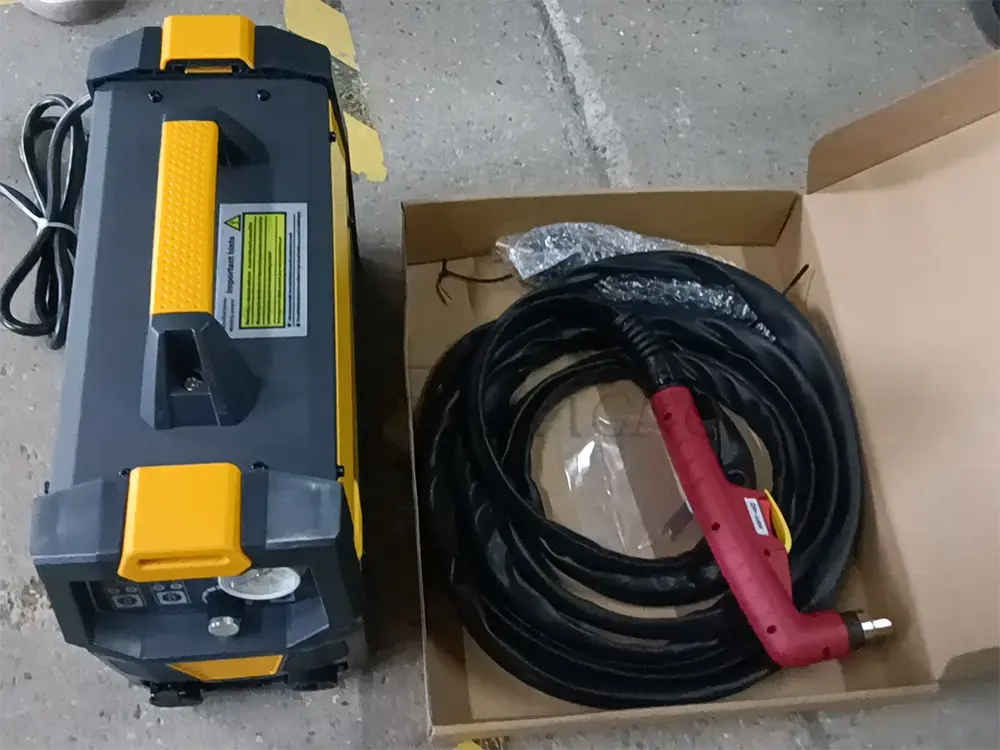
5. Daily Maintenance for Long-Term Reliability
To maintain peak power efficiency on your Fwincnc inverter supply:
-
Blow Out Dust Periodically: Remove the metal cabinet cover every three months and use dry compressed air to clear metallic shop dust from internal circuit boards and heat sinks.
-
Inspect Main Work Clamps: Check the grounding clamp assembly for loose wiring or heavy carbon buildup to ensure low-resistance current returns.
-
Monitor Air Pressure Switches: Ensure safety interlock pressure switches shut off the unit automatically if dynamic input gas drops below safe operating limits.
By selecting a versatile Fwincnc plasma cutting power supply engineered for both manual and mechanized cutting, fabricators gain maximum flexibility, stable arc control, and dependable performance across all metal cutting jobs.