In heavy structural steel processing, shipbuilding, and pressure vessel fabrication, factory owners and production engineers frequently ask: what is a laser flame compound cutting machine and how does it work to handle both thin sheet precision and extreme heavy plate cutting on a single machine bed? Traditionally, metal processing shops were forced to purchase two separate machines: a fiber laser cutter for high-speed precision work on thin-to-medium sheets, and a heavy-duty oxy-fuel (flame) cutter for thick carbon steel plates beyond standard laser piercing limits. By integrating both fiber laser optics and oxygen-combustion flame cutting torches onto a unified CNC gantry system, a Laser Flame Compound Cutting Machine delivers an all-in-one thermal processing platform. At Jinan Allwin CNC Machinery Co., Ltd. (Allwincnc), hybrid compound thermal cutting machinery combines versatile process adaptability with low operational costs for global heavy industry fabricators.
1. Dual-Process Architecture: Fiber Laser Meets Oxy-Fuel Cutting
To understand what a laser flame compound cutting machine and how it works involves, you must examine how the dual cutting systems interact on a single mechanical gantry.
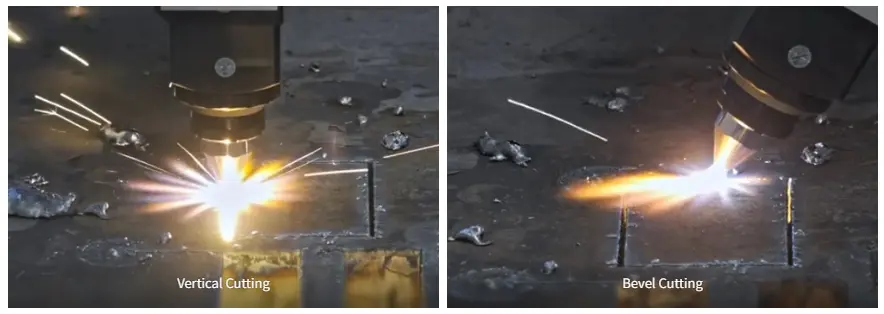
By mounting both cutting heads on the same motion system, the CNC machine automatically toggles between cutting technologies based on plate thickness and process requirements:
-
Fiber Laser Mode: Uses a focused high-density laser beam paired with assist gases (nitrogen, oxygen, or air) for high-speed, high-precision cutting of thin-to-medium carbon steel, stainless steel, and aluminum plates with minimal kerf width.
-
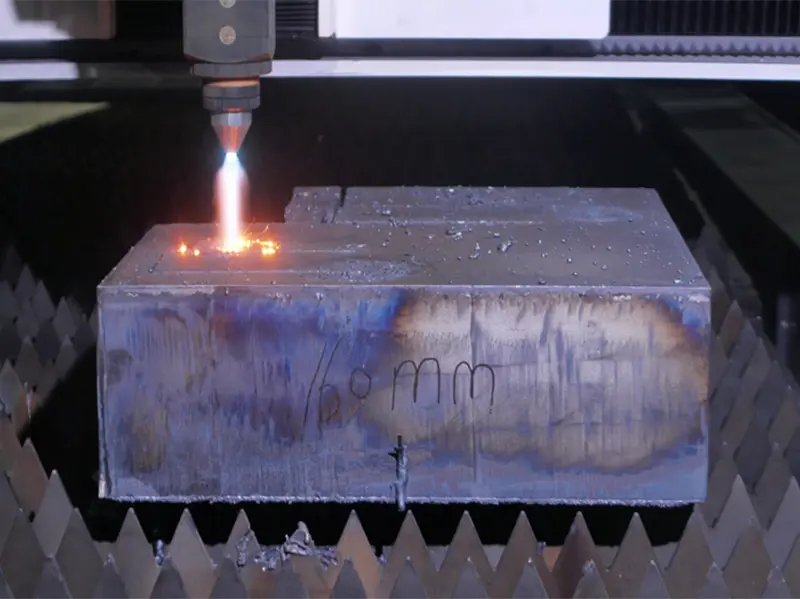
Oxy-Fuel Flame Mode: Uses a preheat fuel gas (propane, acetylene, or natural gas) combined with a high-purity oxygen jet to oxidize and flush away molten carbon steel on ultra-thick steel plates (ranging from 20 mm up to 200 mm or more).
2. Technical Comparison: Laser vs. Flame in a Compound Setup
| Feature & Capability | Fiber Laser Cutting System | Oxy-Fuel Flame Cutting System |
| Optimal Material Thickness | 0.5 mm to 25 mm (Power dependent) | 20 mm to 200 mm plus |
| Compatible Materials | Carbon steel, stainless steel, aluminum, brass | Carbon steel and low-alloy structural steel |
| Cutting Speed on Thin Sheet | Extremely high speed | Relatively slow preheat and travel speed |
| Heavy Plate Piercing Ability | Requires high-power source; risk of spatter | Superior piercing on thick carbon steel plates |
| Operating Cost on Thick Plate | Higher power and gas consumption | Low gas cost per meter of thick steel cut |
3. Operational Workflow for Hybrid CNC Nesting
Setting up a dual-head Laser Flame Compound Cutting Machine for mixed-thickness metal nesting involves a smooth transition sequence within the control software:
Load the master DXF or DWG nesting file containing both thin detail parts and heavy plate profiles into the unified CAM software.
Designate high-precision small holes, fine contours, and thin sections to the fiber laser head. Assign thick outer contours and heavy plate cuts to the oxy-fuel flame torch.
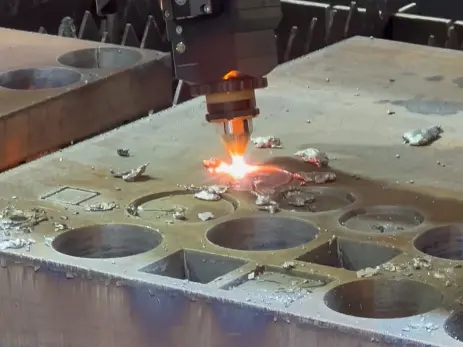
The gantry fires the fiber laser head first to rapidly process high-tolerance cutouts, bolt holes, and intricate inner details with zero thermal distortion.
The CNC automatically parks or offsets the laser head, ignites the oxy-fuel torch, executes automatic preheating, and completes heavy-wall severance cuts across the plate.
4. Primary Benefits for Heavy Steel Fabrication Facilities
Evaluating what a laser flame compound cutting machine and how it works highlights several critical operational advantages for expanding metal centers:
-
Floor Space and Equipment Consolidation: Replaces two standalone cutting machines (and two separate material loading zones) with a single compact gantry footprint, reducing shop floor space requirements by 50 percent.
-
Reduced Capital Expenditure: Eliminates the need to buy extremely high-wattage laser sources just to cut occasional heavy plate, allowing a lower-power laser to handle fine details while low-cost oxy-fuel handles extreme plate thicknesses.
-
Flexible Material Processing: Allows heavy equipment manufacturers, bridge builders, and steel structure plants to process everything from light sheet metal ducting to thick steel beam gusset plates on the same shift.
By leveraging Allwincnc laser flame compound cutting systems, fabricators achieve maximum processing versatility, reduced investment overhead, and superior throughput across all carbon steel and alloy cutting tasks.